The Geopolitical Threesome: Trump, Shehbaz & Munir’s Theatre of Strategy.
Pakistan’s leadership is on an unusual diplomatic mission. Shehbaz Sharif and Asim Munir are suddenly bending their foreign policy around one man: Donald Trump. Not out of strategy, not out of alignment, but out of sheer desperation to win favour in Washington. And Trump, who enjoys being flattered, is giving them more attention than their geopolitical relevance usually warrants.
Pratik Saxena
11/20/20252 min read
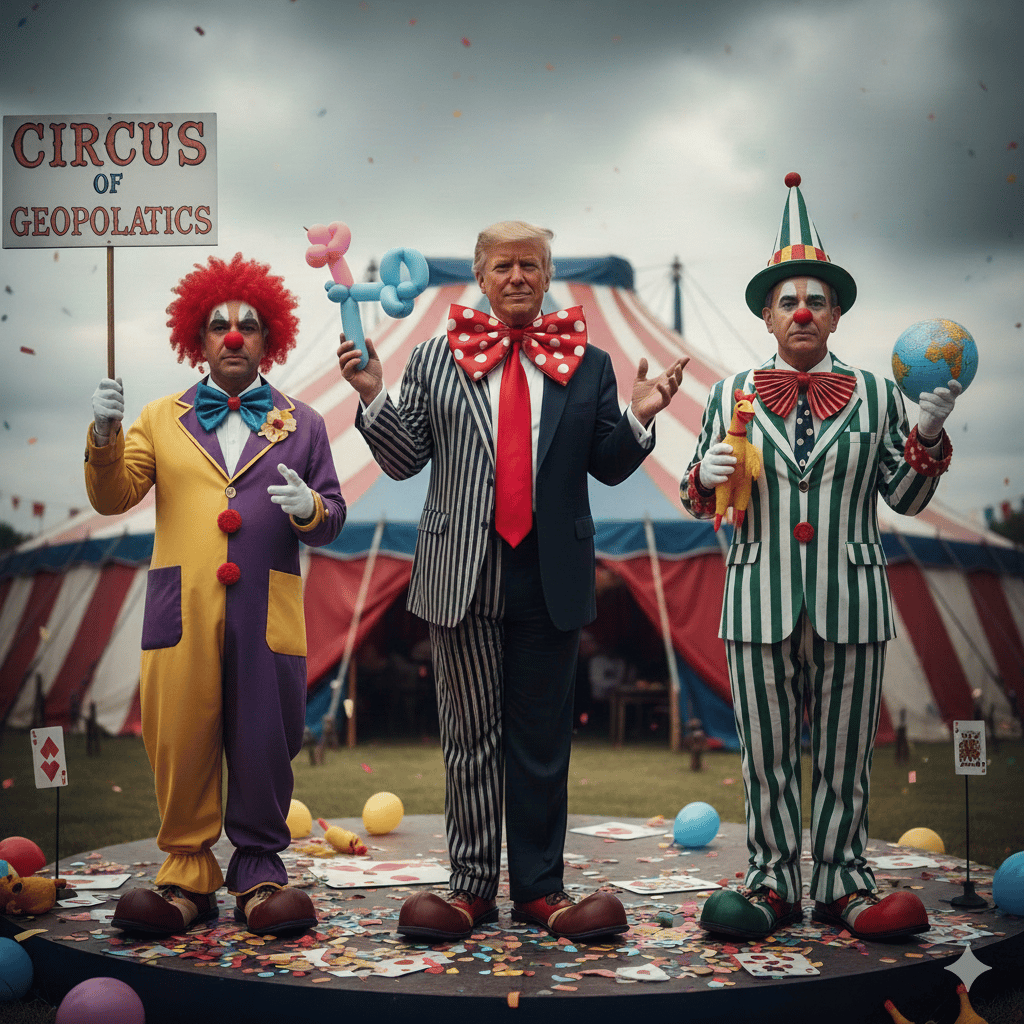
There is a new diplomatic triangle forming in global politics — unexpected, unnecessary and frankly, unconvincing. On one end is Donald Trump, a former U.S. President known for unpredictable foreign policy shifts. On the other are Shehbaz Sharif and Pakistan’s Army Chief Asim Munir, a duo working overtime to stay relevant in Washington’s strategic calculus. Together, they’ve created an alignment that is less about geopolitics and more about survival, optics and flattery.
Pakistan’s leadership has always relied on great-power protection. But this time, it is visibly leaning toward one man, not one nation. Their diplomacy is tailored entirely for Trump’s attention, as if that alone can alter Pakistan’s fortunes. And Trump, who enjoys diplomatic flattery more than most leaders, is granting them precisely that — attention.
The problem is simple: Pakistan wants a shortcut to influence. Trump loves being at the centre of the story. And somewhere in this transactional chemistry, the U.S.–India equation is being nudged in unnecessary directions.
Pakistan’s economy is fragile, its politics remain unstable, and its global relevance has drastically declined. Shehbaz Sharif wants international support. Asim Munir wants institutional control and external legitimacy. Both believe Trump can offer these things.
And so, Islamabad has turned diplomacy into performance. The messaging is calculated. The outreach is carefully staged. The intent is unmistakable — convince Trump that Pakistan is indispensable again.
What’s missing is substance. Pakistan is not presenting reforms, economic stability or reliability. It is presenting enthusiasm.
This is not statesmanship. It is diplomatic improvisation.
The Trump Effect: Unpredictability Enters South Asia Again
Trump’s foreign policy approach has always been personality-driven. He connects quickly, shifts positions quickly, and responds strongly to praise. In such an environment, Pakistan’s hyperactive outreach has found fertile ground.
But here’s the catch. The U.S.–India partnership is not dependent on Trump’s personal equations. It is a structural relationship: defence cooperation, technology transfers, Indo-Pacific strategy, counterterror cooperation and supply-chain security.
It is a carefully built architecture.
And it does not get rewritten because a leader, somewhere, is impressed by flattery.
Pakistan’s hope is that Trump’s attention will translate into policy shifts. But Washington’s strategic community knows better. The U.S. cannot afford to tilt away from India — the stability of the Indo-Pacific depends on this partnership.
India’s View: Not Worried, Just Watching
India is not unsettled by this newfound triangle. India has seen this pattern before — Pakistan seeking external rescue, foreign leaders briefly entertaining Islamabad’s narrative, and then reality rebalancing the equation.
New Delhi knows its value. India’s partnership with the United States is based on capability, not theatrics. On delivery, not diplomacy-by-performance.
Pakistan may be trying to insert itself into the South Asian narrative again, but India’s position is stable, recognised and widely respected.
In this triangle of optics and desperation, only India stands on the side of strategy.