Inside India's Defence: Stories of Strategy and Strength
Dive deep into the forces shaping India's security landscape, from frontline stories to strategic insights that reveal the heart of our defence.
Pratik Saxena
11/11/20254 min read
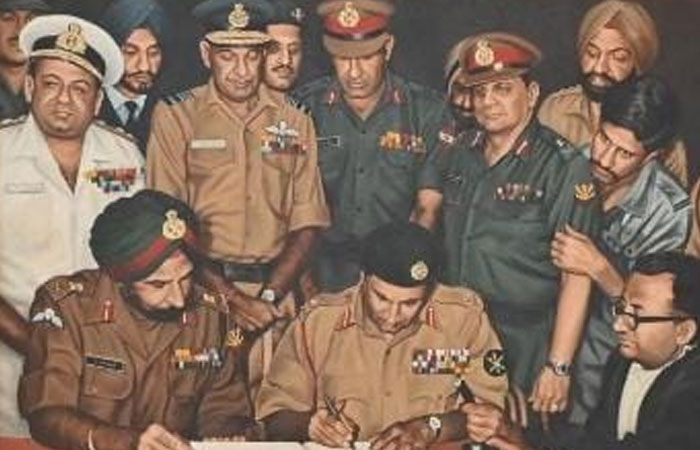
India’s defence framework is more than just a collection of armed forces — it is a carefully crafted system of deterrence, strategy, and national resilience. Built over decades of challenges and triumphs, it reflects the country’s evolution from a regional power to a major strategic player on the global stage. Behind every operation, missile test, and military handshake lies a long story of preparation, innovation, and purpose — the story of India’s defence: a story of strategy and strength.
The Foundation of India’s Defence Doctrine
India’s modern defence strategy is rooted in the lessons of history. The trauma of partition, the wars with Pakistan and China, and the decades of insurgency shaped a doctrine centred on self-reliance and deterrence. Unlike expansionist powers, India’s military posture is defensive yet proactive — designed to secure sovereignty, ensure regional stability, and respond decisively when provoked.
The cornerstone of India’s defence policy is the concept of credible minimum deterrence. This approach focuses on maintaining enough military capability — conventional and nuclear — to deter aggression, without engaging in an arms race. India’s no-first-use nuclear policy, combined with its vast conventional forces, allows it to maintain a balance of power in South Asia while upholding moral and strategic restraint.
Three Forces, One Mission
At the heart of India’s defence architecture are the three branches of the Armed Forces — the Indian Army, the Indian Navy, and the Indian Air Force — each with distinct roles but a unified mission: to defend the nation and protect its interests across land, sea, and air.
The Indian Army, the largest component, stands guard along borders stretching from the icy heights of the Himalayas to the deserts of Rajasthan. It is built around adaptability — capable of high-altitude warfare in Ladakh, counter-insurgency in the northeast, and rapid mobilisation in plains and deserts. Operations like Vijay (Kargil War, 1999) and Meghdoot (Siachen Glacier) have showcased its courage, discipline, and logistical brilliance in extreme conditions.
The Indian Navy protects India’s maritime borders across the Indian Ocean — a region critical for global trade and energy routes. From anti-piracy missions near the Horn of Africa to joint exercises with major powers, the Navy ensures that India’s presence in international waters remains strong and respected. Its expansion into nuclear-powered submarines, aircraft carriers, and indigenous shipbuilding highlights India’s growing maritime ambition.
The Indian Air Force, known for precision and speed, acts as the first responder in both war and peace. Its role extends beyond combat — it provides humanitarian aid, disaster relief, and rapid transport in emergencies. With modern fighters like the Rafale, indigenous Tejas, and strategic airlifters, the IAF is transforming into a networked, technology-driven force ready for multi-domain operations.
The Fourth Dimension: Space and Cyber Power
Modern warfare is no longer confined to land, sea, and air. India’s strategic planners recognise space and cyberspace as the new frontiers of defence. The creation of the Defence Space Agency (DSA) and Defence Cyber Agency (DCA) reflects this evolution.
Satellites launched by ISRO provide real-time surveillance, navigation, and communication to the military, strengthening command and control. Meanwhile, India’s growing cyber warfare capabilities ensure the protection of sensitive networks against digital threats. In an era where wars can be fought with code instead of bullets, India’s investment in these domains ensures a technological edge.
Indigenisation: From Import Dependence to Self-Reliance
For decades, India relied heavily on foreign suppliers for its defence equipment. That dependency limited autonomy and made modernisation slow. But in recent years, the government’s Atmanirbhar Bharat initiative has triggered a massive shift toward indigenous defence production.
The Defence Research and Development Organisation (DRDO), along with Defence Public Sector Units (DPSUs) and private firms, is spearheading a transformation in military manufacturing. Indigenous projects like the Arjun battle tank, Tejas fighter jet, Akash missile system, and INS Vikrant — India’s first indigenously built aircraft carrier — mark milestones in self-reliance.
This push not only strengthens security but also boosts the economy by developing a domestic defence industry capable of exports. India today ranks among the top arms importers, but it is rapidly emerging as an exporter — a shift that signifies confidence and maturity in defence production.
Diplomacy and Strategic Partnerships
India’s defence strategy is not just about weapons and warfare — it is equally about partnerships and perception. Through strategic alliances, joint exercises, and defence agreements, India strengthens its position in global geopolitics.
Collaborations like the Quad Alliance (with the US, Japan, and Australia), and partnerships with countries like France, Israel, and Russia, have diversified India’s strategic relationships. These not only enhance interoperability and training but also ensure access to cutting-edge technology. India’s participation in multilateral exercises like Malabar, Garuda, and Varuna demonstrates its ability to operate seamlessly with global forces.
Modernisation and the Way Forward
As global threats evolve, India’s defence forces are modernising rapidly. The focus is shifting toward jointness — integrating the Army, Navy, and Air Force under a unified command structure. The establishment of theatre commands, procurement of advanced drones, precision-guided munitions, and enhanced electronic warfare systems are shaping the future of warfare in the Indian context.
Equally important is the focus on soldier welfare and readiness. Modern body armour, new rifles, battlefield management systems, and advanced logistics are being deployed to support those on the frontlines. In parallel, the armed forces continue to play a vital role in humanitarian assistance, peacekeeping, and disaster relief — reaffirming their image as protectors not just of the nation, but of humanity.
“From the frontlines to the skies, India’s courage is its greatest weapon.”