199 Forged Reports and Zero Deliveries: Is HAL Facing a Crisis of Accountability?
A fighter jet programme delayed for years. An aerospace supplier accused of submitting 199 forged test reports. And a nation asking the same question: Who takes responsibility? The Tejas Mk1A controversy is no longer just about delayed deliveries—it is a test of transparency, accountability, and the standards India expects from its defence industry.
Pratik Saxena
6/11/20262 min read
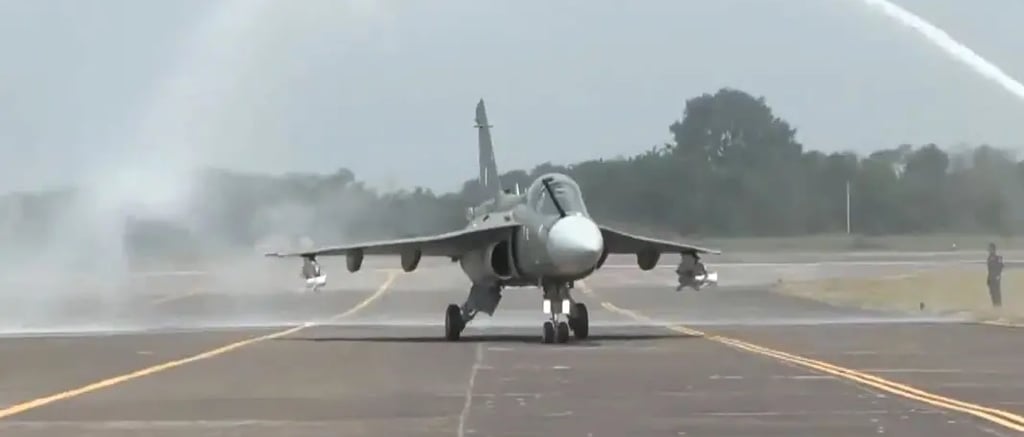
The recent FIR filed by Hindustan Aeronautics Limited (HAL) against a private supplier over the alleged submission of 199 forged test reports has exposed a disturbing issue within India’s defence manufacturing ecosystem. In aerospace engineering, documentation is not just paperwork; it is proof that every component meets strict standards of strength, durability, and safety.
The allegations involve fake certification reports for multiple tests, including material strength, hardness, and other quality assessments. If proven true, such actions represent a serious violation of trust in a sector where even a minor component failure can have severe consequences.
The Timing Raises Uncomfortable Questions
The controversy has emerged at a time when HAL itself is under significant pressure over repeated delays in delivering the Tejas Mk1A fighter aircraft to the Indian Air Force. Despite years of commitments and revised timelines, the first aircraft has yet to be delivered, leading to discussions about possible penalties against HAL.
This naturally raises questions: Is the FIR simply a genuine quality issue being addressed, or has its timing also shifted public attention away from HAL’s own failures? While there is currently no evidence to suggest that HAL acted with such intentions, the timing ensures that the question will remain part of the public debate.
Beyond the Supplier: Questions for HAL
HAL deserves credit for identifying the alleged fraud and initiating legal action. A robust quality assurance system is expected to detect irregularities and prevent compromised components from entering critical military platforms.
However, the incident also raises another important question: if 199 reports were allegedly forged, how did the issue reach such a scale before being detected? A strong aerospace ecosystem requires not only the ability to find mistakes but also systems that make such failures difficult to occur in the first place.
Tejas Delays and the Cost of Missed Deadlines
The supplier controversy cannot overshadow the larger challenge surrounding the Tejas Mk1A programme. The Indian Air Force is already operating with a reduced squadron strength, and delays in the arrival of new fighter aircraft directly affect long-term force planning and operational preparedness.
India’s ambitions of becoming a global defence manufacturing power depend not only on designing advanced platforms but also on delivering them on time and maintaining the highest standards of reliability.
Accountability Must Apply to Everyone
The most important lesson from this controversy is that accountability cannot be selective. If a supplier deliberately submitted forged documents, strict legal action is necessary. If weaknesses existed in HAL’s oversight mechanisms, those issues must also be examined. Likewise, delays in Tejas Mk1A deliveries must be investigated independently of this new controversy.
A mature defence ecosystem is not built by avoiding criticism or protecting institutions from scrutiny. It is built through transparency, responsibility, and a commitment to continuously improve.
The Tejas programme remains a symbol of India’s indigenous aerospace ambitions. But for that ambition to succeed, every stakeholder—from private suppliers to the country’s largest defence manufacturers—must be held to the same standard of accountability.